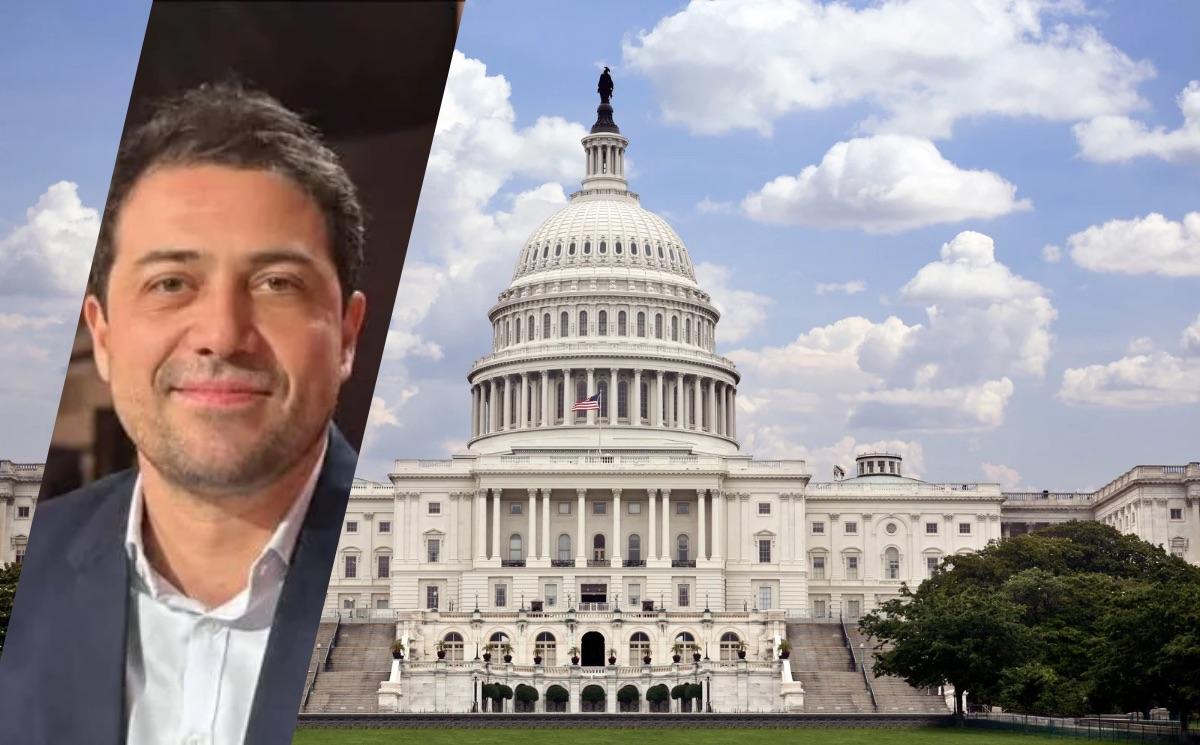
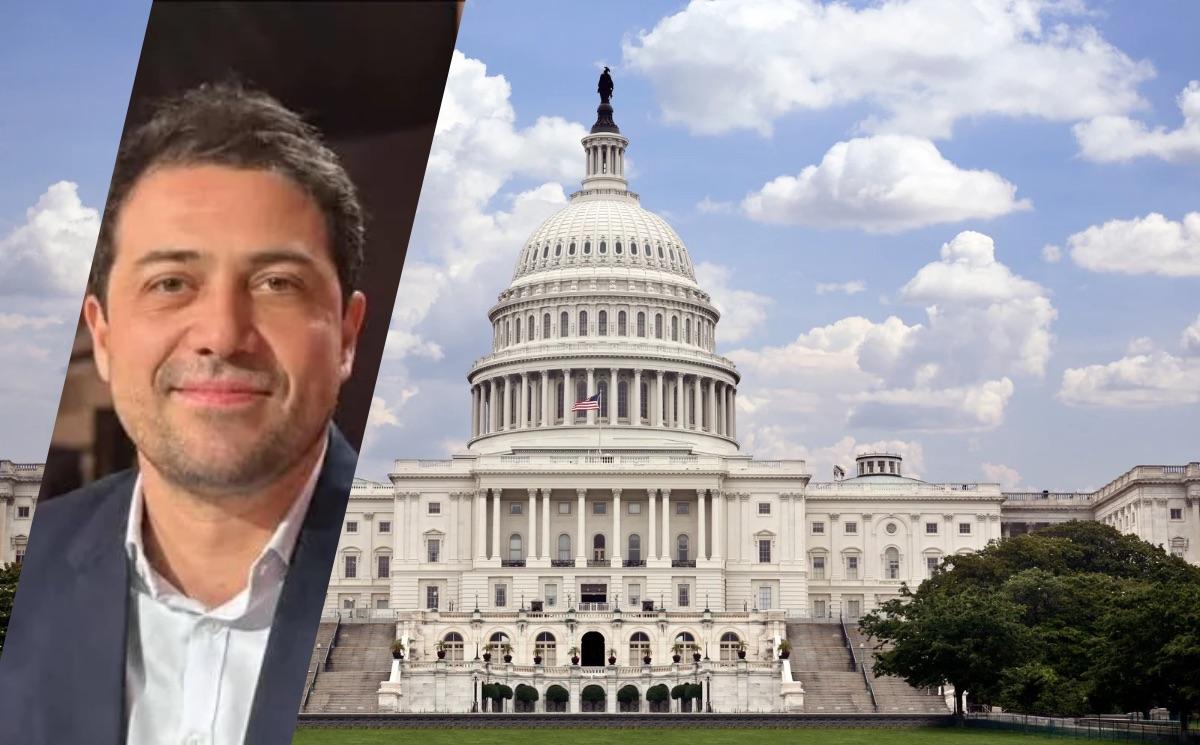
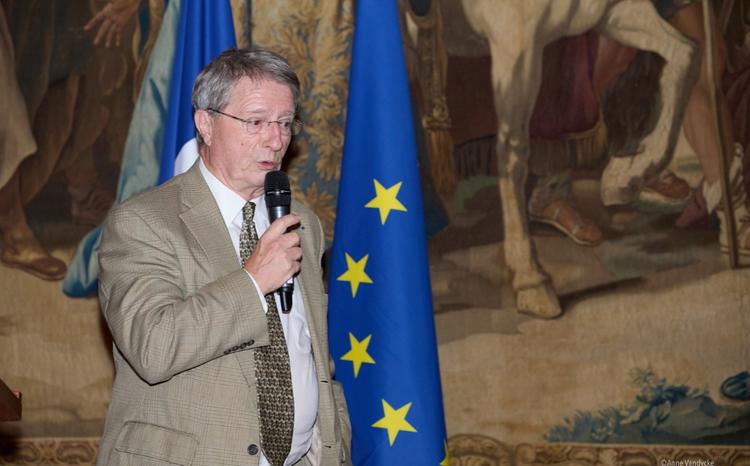
Visas, trade, relations with allies: the Democratic victory could have repercussions far beyond Washington. Christopher Weissberg, the member of France’s National Assembly representing French citizens abroad in North America, discusses what voters want and the challenges facing the newly elected Democrats. “A return to a Congress more aligned with America’s historic interests is therefore very favorable to the French.”
Did the Democratic wave in the latest U.S. midterm elections surprise you?
The results didn’t surprise me, because the signs were there, but I’m especially pleased by the scale of the victory. Historically, polls have tended to underestimate Republicans. In my district in New York, I saw the Republican candidate struggling in a very conservative area that had voted overwhelmingly for Donald Trump in the past.
It was clear that Americans were unhappy, mainly because of inflation and gas prices. I expected a strong showing and for Democrats to flip both the Senate and the House, but the final margin of victory was still a very pleasant surprise.
“Expectations are enormous—perhaps even unrealistic.”
What challenge do Democrats face now?
Expectations are enormous—perhaps even unrealistic. Congress has limited room to maneuver when it comes to global problems such as oil prices, which are tied to conflicts in the Middle East. At the same time, we’re seeing a new generation of elected officials emerge in traditionally Republican strongholds.
The Democrats’ central message now needs to focus on the middle class and the cost of living—what Americans call “affordability.” Voters didn’t cast their ballots over issues of diversity, which have been prominent in recent years, but because life has become too expensive. Democrats will need to push for a redistributive budget to reverse the tax breaks given to the wealthiest Americans under the Trump administration. Oversight of the administration and the fight against corruption will also be major issues.
Finally, the shift in Texas shows how fed up people are with the burdens associated with data centers. There’s a desire to put politics back in the service of the middle class, particularly when it comes to health insurance and preventing costs from rising as a result of efforts to roll back Medicare and Medicaid.
“The French community has faced restrictions on nearly every type of visa.”
Could this lead to positive changes for French people living in the United States?
Absolutely. Until now, we’ve faced hostile administrations at several levels. The French community has faced restrictions on nearly every type of visa, including investor visas. Non-U.S. citizens, whether green-card holders or visa holders, have lived with anxiety, especially when crossing the border.
Economically, many French people in the United States work in wine imports, luxury goods or major export industries. Trade instability and tariffs have been extremely burdensome. French people in Canada have also suffered from the strained relationship between Washington and Ottawa. A return to a Congress more aligned with America’s historic interests is therefore very favorable to the French.
“I remain cautious, because diplomacy is still the president’s domain.”
Do you think this will ease diplomatic tensions between France, Canada and the United States?
Diplomatic relations depend on the executive branches, so we’ll see how things develop. We’ve already been invited by the U.S. ambassador in Paris to meet with the France–U.S. friendship group. That shows the administration will now have to work with its allies.
Still, I remain cautious, because diplomacy is still the president’s domain, and his temperament remains unpredictable. We plan to travel to the United States in early 2027 to conduct parliamentary diplomacy. The challenge will be to anticipate any potential attacks on international trade and the transatlantic alliance.
“The current Democratic momentum is being driven largely by centrist lawmakers.”
New York’s new mayor, Zohran Mamdani, is a progressive Democrat. What impact have you seen among French people there?
The profile of this new generation needs some nuance. New York’s mayor has a strong left-wing reputation, which may concern some members of the French community. But I’ve found that the new generation of Democrats who have just entered Congress is actually more centrist.
Many were elected in conservative districts. I’m thinking, for example, of Roy Cooper, the former governor who was elected senator in North Carolina: he’s a friend of France and very moderate. The shifts in Texas and elsewhere confirm this move toward the center. What we’re seeing in New York seems out of step with the rest of the country, where the current Democratic momentum is being driven largely by centrist lawmakers.
Sur le même sujet


 L'annuaire




 L'agenda