
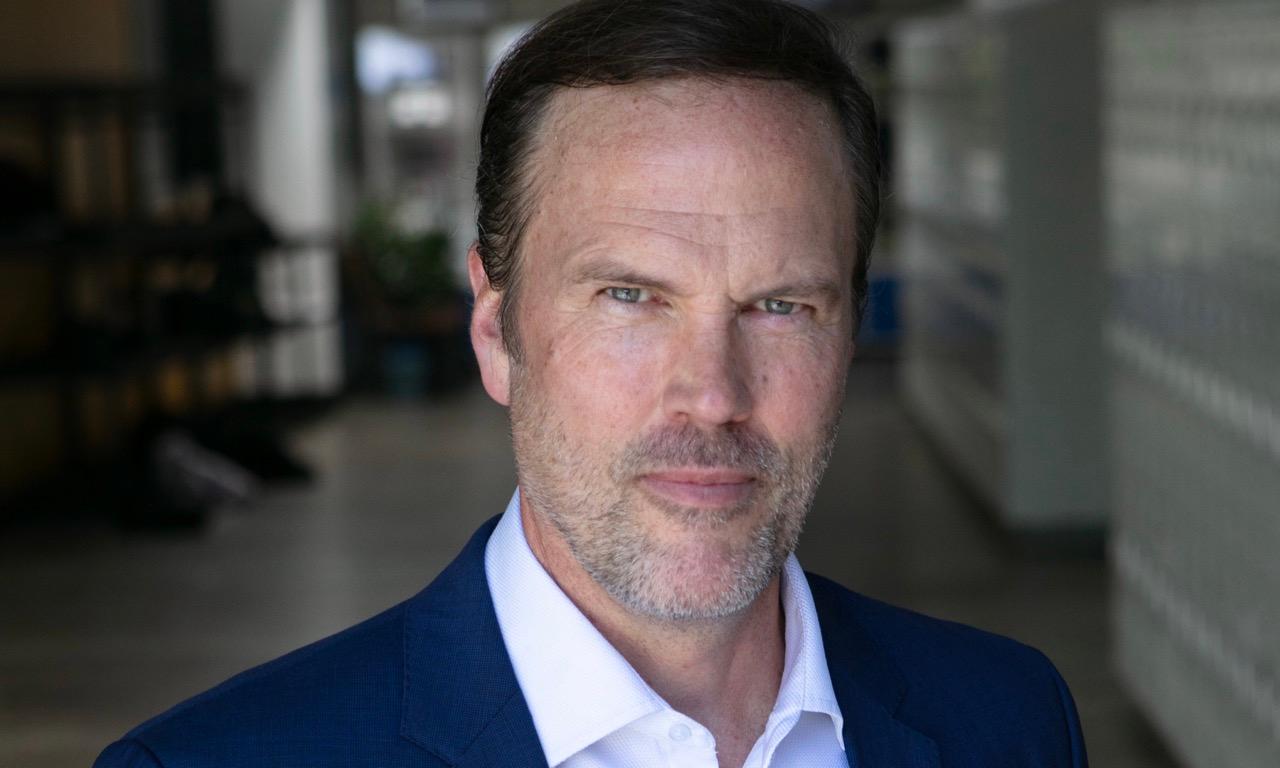
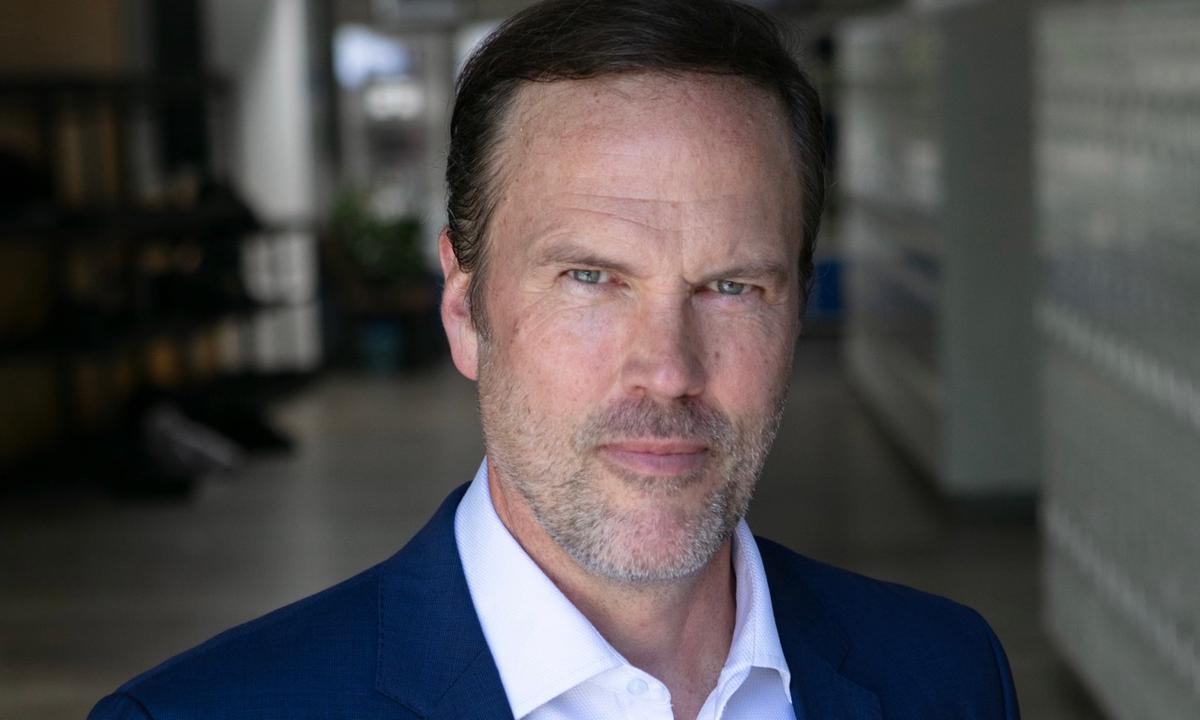
More than 1,000 students returned to the various campuses of the International School of Los Angeles on Monday, August 24, 2026. For his first full school year at the helm of LILA (International School of Los Angeles), Conrad Hughes is focusing on bilingualism, greater collaboration between academic pathways, and developing students’ critical-thinking skills. Conrad Hughes spoke with Emmanuelle Franks.
Read the original article in French here.
Just days before the start of the school year, Conrad Hughes, who has served as Head of School at LILA since October 2025, said he was struck by the school’s strong sense of cohesion. He describes a school with a genuine sense of community and a deep enthusiasm for learning, among students as well as teachers and staff. Several parents even told him that their children were looking forward to returning to class during the summer break—a reaction he describes as “fantastic.”
This year, LILA is welcoming between 1,000 and 1,050 students across all grade levels and campuses. According to figures provided by the school, it employs nearly 230 staff members, including approximately 110 teachers and around 20 teaching assistants. Unlike many American schools offering French-language education, LILA is not experiencing any particular recruitment difficulties. The school is able to recruit directly from France through secondment programs and visas, while also attracting teachers already working within the AEFE network in North America and elsewhere around the world.
Building stronger bridges between academic pathways
Bilingualism remains at the heart of LILA’s educational mission. According to figures provided by Conrad Hughes, 80% of instruction is delivered in French at the elementary level, before shifting to a 60% French and 40% English split during the transition years.
At the secondary level, students can follow one of two main pathways: the French Baccalauréat, particularly its international version, the Baccalauréat Français International (BFI), or the pathway leading to the International Baccalaureate (IB) Diploma. LILA is also gradually implementing the Middle Years Programme (MYP). Developed by the IB for students ages 11 to 16, the program promotes interdisciplinary learning, critical thinking, and a global outlook.
What’s new for the 2026 school year
Among this year’s new initiatives is the pilot of a Theory of Knowledge course adapted from the IB curriculum and open to students from both academic pathways. The goal is to create stronger connections between the programs and reinforce a shared LILA identity. According to Conrad Hughes, welcoming students whose primary language is English should not diminish the role of French. On the contrary, it enriches the school community, although joining the school at an early age remains the ideal path toward developing strong bilingual skills.
This commitment to unity is also reflected in the “One LILA” initiative, built around three questions: What makes the school unique? How do we embrace new ideas? And how can we collaborate more effectively? The initiative is accompanied by several tangible projects, including renovating outdoor spaces, planting trees, and highlighting native flora.
For Conrad Hughes, another priority is teaching the school community how to navigate and understand social media. A new program for parents, teachers, and secondary students will aim to provide a better understanding of algorithms and the mechanisms that shape how information spreads. Eventually, Hughes hopes to introduce this type of media literacy from the age of 10, before children even begin using social media platforms.
“We shouldn’t decide a child’s future too quickly”
Born in South Africa, Conrad Hughes discovered French through a literature teacher at United World College in Eswatini, before studying in Montpellier and spending 20 years living in Geneva. At the end of high school, French had not been his strongest subject. Yet it was this very language that would later play a defining role in both his personal and professional journey.
His own experience has led Hughes to one conclusion: children should be given the freedom to pursue their passions, without having their futures decided too quickly. At a time marked by conflict and uncertainty, he advocates for an education grounded in peace, broad knowledge, intellectual rigor, and openness to the world.
E.F.
Sur le même sujet




 L'agenda