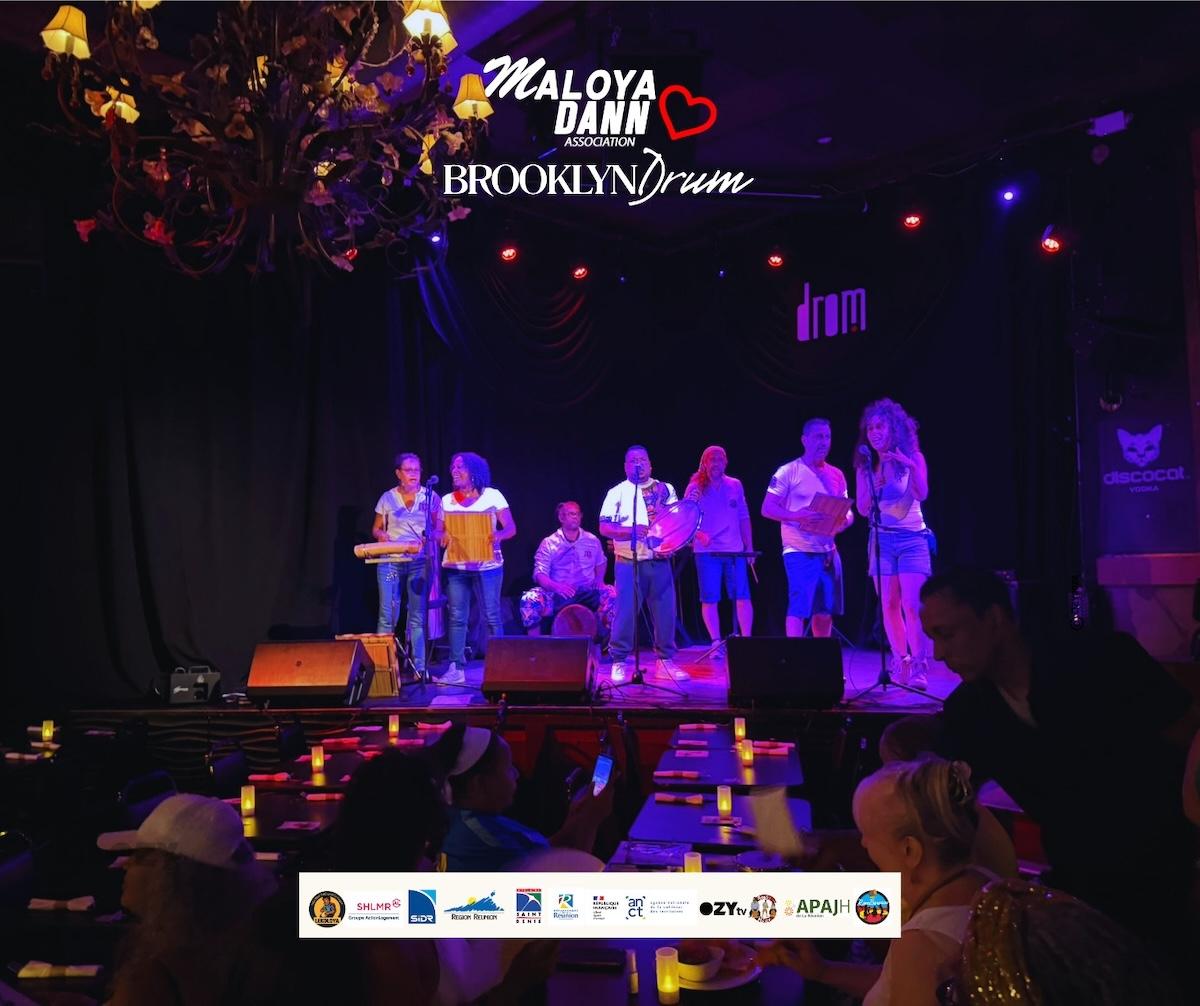
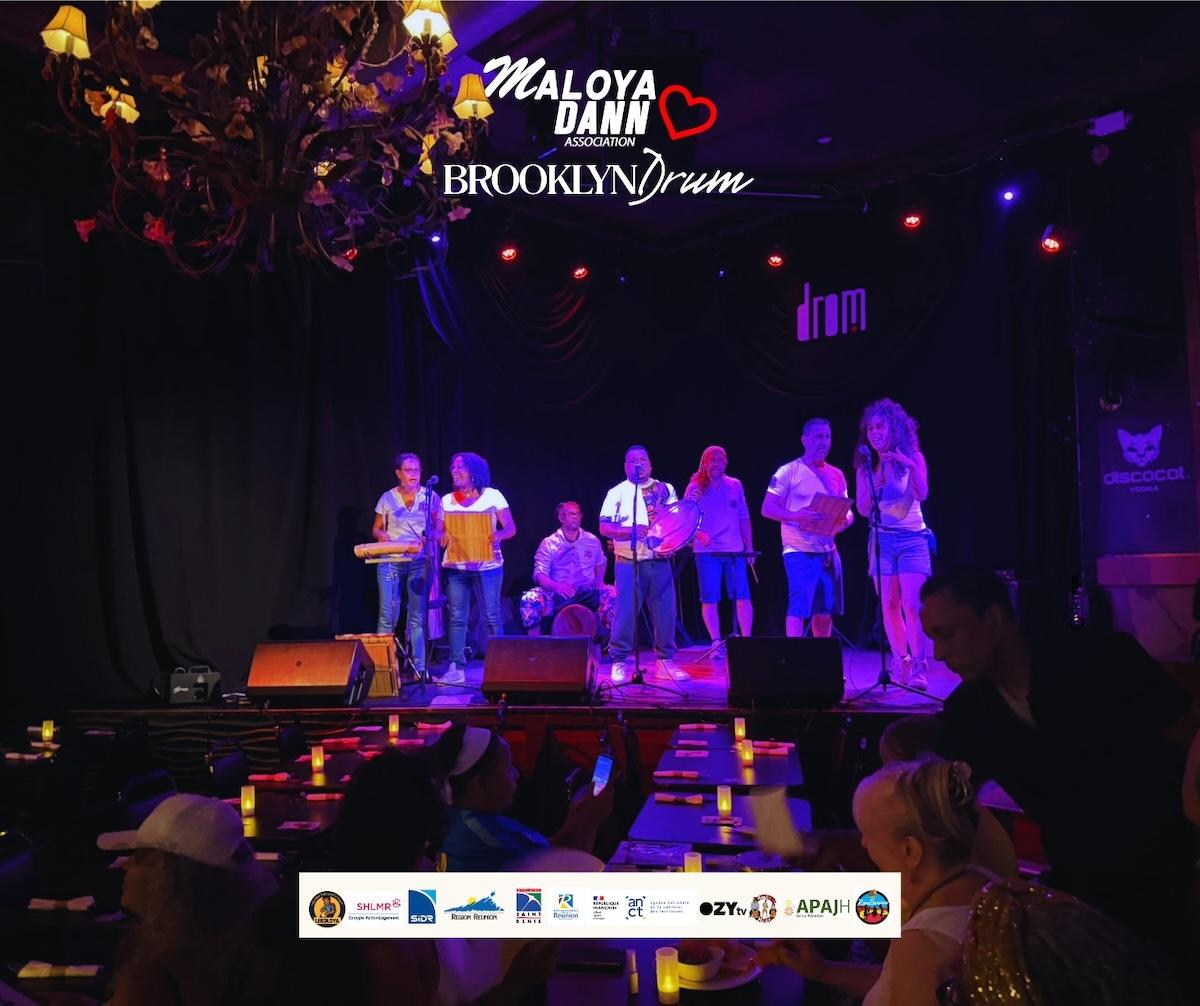
Through LO RON NEW YORK, OZY TV chronicles the journey of Roulerkiller and the Maloya Dann Ker association as they share the Maloya traditions of Reunion Island with the rest of the world. From encounters in Brooklyn to Coney Island, this 43-minute documentary follows a living culture that crosses borders without losing its roots. Jean-Alfred Poncharville, director of OZY TV, answers our questions.
How did the project to bring Maloya to New York come about?
This project was born out of a collective desire to keep Maloya alive beyond Reunion Island, to foster cultural encounters, and to create a record of those experiences. The adventure brought together Roulerkiller and the Maloya Dann Ker association, among others. For OZY TV, it was important to document this journey, to give it an audiovisual memory, and to make these exchanges accessible to those who were unable to participate.
Maloya is a traditional music from Reunion Island that encompasses song, dance, and rhythm. Born from the history of populations enslaved and then indentured on the island, it carries a memory of resistance, suffering, and solidarity. Expressed through voices, percussion, and dance, it is often shared in circles during gatherings called ron maloya. Transmitted from generation to generation, Maloya remains a living expression of Reunion Island's identity and culture.
What does Maloya represent for the artists and enthusiasts taking part in this adventure?
Maloya is more than just a musical style. It carries history, memory, and a way of gathering and transmitting knowledge. As a living heritage of Reunion Island, it is shared from generation to generation. Bringing it to New York was also a way to take a piece of Reunion Island's identity with us and let it dialogue with other cultures.
Which encounters or performances in New York left the biggest mark on you, and why?
The encounters facilitated by the Haiti Cultural Exchange and at the Brooklyn Music School were highlights of this adventure, as were the experiences we had in Manhattan and at Coney Island. What we take away from these steps is the possibility of creating exchanges around rhythm, music, and culture, even between people who do not share the same history.
How did you transmit the memory and history of Maloya to audiences who might not have been familiar with this culture?
First, through practice and sharing: the songs, the percussion, the presence of the artists, and the ron maloya—the participatory circles where people gather around the music. These exchanges then provide an opportunity to explain the roots and meaning of this tradition. The documentary continues this work of transmission by allowing other audiences to discover these moments.
Beyond the journey itself, what did you want to tell with the documentary LO RON NEW YORK?
We wanted to go beyond just a souvenir film. It was about telling a human story, about the bonds that are created, and about a culture that travels without losing its anchor. As a media and production company, OZY TV also wants to highlight the artists, associations, and grassroots initiatives that keep Reunion Island's heritage alive.
What do you hope the viewers—in New York, in Reunion Island, and elsewhere—will take away from the film and this experience?
We hope that Reunion Islanders will find a part of their history in it and will be proud to see Maloya reaching so far. For viewers who are not familiar with Reunion Island, we hope to spark curiosity and the desire to discover this culture. And for everyone, we hope to remind them that traditions remain alive when they are practiced, shared, and transmitted.

 L'annuaire


 L'agenda